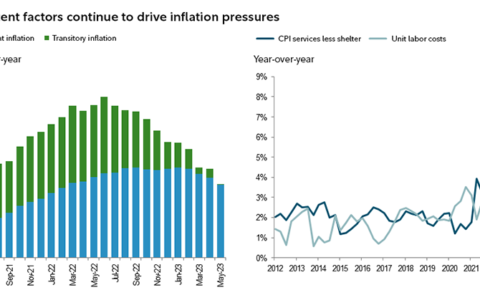

Inflation is one of the most persistent—and underestimated—threats to long-term wealth. Even when headline inflation moderates, the real-world cost of housing, health care, insurance, and everyday living often continues to rise faster than expected. Over time, inflation quietly erodes purchasing power, undermines retirement readiness, and turns otherwise “safe” financial plans into fragile ones.
A new calendar year is the ideal moment to step back, review your financial position, and make strategic adjustments. This is especially important if you’re approaching retirement, but the truth is universal: no matter your age, inflation risk never disappears. The good news is that inflation is not something you have to passively accept. With thoughtful planning, you can actively design a portfolio and financial system that is more resilient, flexible, and adaptive.
Below are seven practical, expert-level ways to inflation-proof your portfolio, grounded in disciplined financial planning, smart asset allocation, tax efficiency, and risk management—all essential themes as we head into 2026.
1. Start With a Clear Net Worth Snapshot (You Can’t Protect What You Don’t Measure)
Inflation protection begins with clarity. Before choosing investments or strategies, you must understand your personal balance sheet—your assets, liabilities, and overall net worth.
List everything you own:
- Cash (checking and savings)
- Taxable investment accounts
- Retirement accounts (401(k), IRA, Roth)
- Real estate
- Vehicles and other major assets
- Insurance cash values
- Business interests
Then list everything you owe:
- Mortgages
- Auto loans
- Personal loans
- Credit cards
The difference is your net worth. This snapshot is more than an accounting exercise—it tells you how exposed you are to inflation. For example:
- Excess cash loses purchasing power during inflationary periods.
- Fixed-rate debt can actually benefit you during inflation.
- Assets like equities and real estate may offer inflation resilience.
Without a clear net worth statement, inflation-proofing becomes guesswork. With it, every strategic decision becomes more precise.
2. Control Cash Flow Before Inflation Controls You
Inflation attacks from two directions: rising costs and stagnant income. That’s why cash-flow management is one of the most powerful inflation defenses.
Review last year’s spending and forecast your cash flow for 2026:
- Are essentials consuming more than they should?
- Are discretionary expenses creeping up unnoticed?
- Are savings contributions consistent and intentional?
A common guideline is allocating roughly:
- 50% of take-home pay to essentials
- 30% to discretionary spending
- 20% to saving and investing
In an inflationary environment, this balance often breaks down. If prices are rising faster than income, you have two levers:
- Reduce expenses (subscriptions, dining out, impulse spending)
- Increase income (side gigs, part-time work, negotiating compensation)
Inflation-proofing is not just about investments—it’s about ensuring your income outpaces or adapts to rising costs.
3. Maximize Tax-Advantaged Savings to Stay Ahead of Inflation
Taxes and inflation often work together to erode real returns. One of the most effective defenses is fully using tax-advantaged accounts, which shelter growth from taxes and compound more efficiently over time.
In 2026:
- 401(k) contribution limit: $24,500
- Catch-up (age 50+): $8,000
- Enhanced catch-up (ages 60–63): $11,250
- IRA limit: $7,500
- HSA limit: $4,400 (individual) / $8,750 (family)
Why this matters for inflation:
- Pre-tax contributions reduce taxable income today.
- Roth contributions create future tax-free income, protecting purchasing power.
- HSAs offer a rare triple tax advantage and are especially powerful against rising health-care costs.
Consistently increasing contributions—especially during higher-income years—is one of the most reliable long-term inflation hedges.
4. Build an Inflation-Resilient Asset Allocation
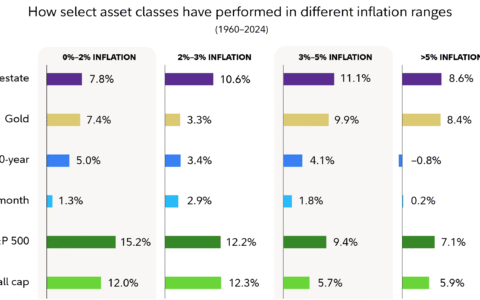
Inflation is ultimately an investment problem. Some assets struggle during inflation, while others thrive.
A resilient asset allocation typically includes:
- Equities, which historically outpace inflation over long periods
- Real assets (real estate, infrastructure, commodities)
- Short- to intermediate-term bonds, which reduce interest-rate risk
- Diversification across sectors and geographies
As you approach retirement, the goal is not to eliminate risk—but to right-size it. Too conservative, and inflation eats away your portfolio. Too aggressive, and volatility threatens income stability.
Your asset mix should reflect:
- Time horizon
- Income needs
- Risk tolerance
- Inflation sensitivity
A portfolio designed decades ago may no longer be appropriate in today’s inflation regime.
5. Use Tax Diversification to Control Inflation-Adjusted Income
One of the most overlooked inflation risks is future taxation. Higher prices often lead governments to raise revenue—directly or indirectly.
A strong inflation-proof plan includes tax diversification, meaning assets spread across:
- Tax-deferred accounts (401(k), traditional IRA)
- Tax-free accounts (Roth IRA, Roth 401(k))
- Taxable brokerage accounts
This structure gives you flexibility in retirement:
- You can choose where income comes from each year.
- You can manage tax brackets during inflationary periods.
- You can offset higher living costs with lower tax exposure.
Strategic Roth conversions during lower-income years can further strengthen this flexibility, creating future tax-free income when inflation may be higher.
6. Protect Against Inflation-Driven Risks With Insurance and HSAs
Inflation does not just affect groceries—it dramatically impacts health care, long-term care, and insurance premiums.
Key protection strategies include:
- Reviewing life and disability insurance to ensure coverage keeps pace with income
- Planning for long-term care, which affects nearly 70% of retirees
- Using HSAs aggressively to prepare for rising medical costs
- Reviewing property and umbrella liability insurance annually
Health-care inflation often exceeds general inflation. Without proactive planning, it can derail even well-funded retirement plans.
Insurance is not about maximizing returns—it’s about preventing catastrophic setbacks that inflation can amplify.
7. Inflation-Proof Your Legacy With Smart Estate Planning
Inflation doesn’t stop at retirement—it affects what you leave behind.
An updated estate plan ensures:
- Assets transfer efficiently
- Taxes and administrative costs are minimized
- Beneficiary designations reflect your current goals
- Incapacity planning is in place
Inflation can increase estate taxes, probate costs, and health-care expenses late in life. Regularly reviewing wills, trusts, powers of attorney, and account titling ensures your wealth retains its real value—not just its nominal value.
A well-structured estate plan is the final layer of inflation protection, preserving wealth across generations.
Final Thoughts: Inflation-Proofing Is a System, Not a Single Investment
Inflation-proofing your portfolio is not about finding one perfect asset or making a single bold move. It’s about building a coordinated financial system—one that integrates spending discipline, smart investing, tax efficiency, risk management, and long-term planning.
By revisiting your net worth, cash flow, investments, retirement strategy, insurance coverage, and estate plan at the start of 2026, you give yourself something far more powerful than an inflation hedge: control.
Inflation may be inevitable—but financial erosion doesn’t have to be. With the right strategy, your wealth can not only survive inflation, but quietly outpace it for years to come.
Author:Com21.com,This article is an original creation by Com21.com. If you wish to repost or share, please include an attribution to the source and provide a link to the original article.Post Link:https://www.com21.com/inflation-proofing-your-wealth-7-smart-strategies-to-build-a-resilient-portfolio-in-2026-and-beyond.html