As we move deeper into 2026, taxpayers are facing one of the most dynamic tax environments in recent years. New legislation has made many provisions of the 2017 Tax Cuts and Jobs Act permanent while introducing additional incentives designed to benefit families, retirees, and investors. Combined with ongoing updates from the SECURE 2.0 Act, these changes create a powerful opportunity: with the right planning, you can meaningfully reduce your tax burden not just this year—but for years to come.
Below are 10 actionable tax strategies for 2026 that every investor and household should consider.

1. Optimize Capital Gains and Dividend Timing
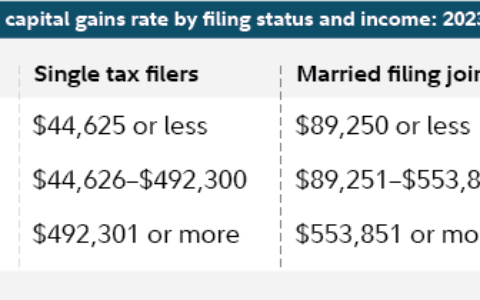
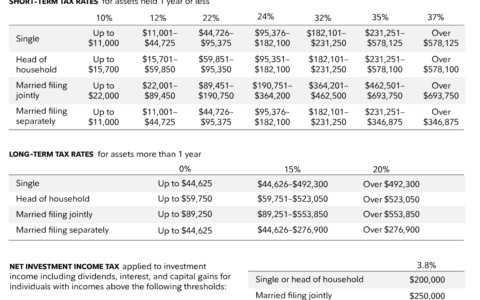
Capital gains tax rates remain at 0%, 15%, and 20%, with income thresholds expanded due to inflation adjustments. This creates a valuable planning window.
If your taxable income falls within a lower bracket this year, you may benefit from realizing gains now at a lower tax rate. Conversely, if you anticipate higher income in future years, it may be more strategic to defer gains or harvest losses later.
Remember:
- Long-term gains (assets held >1 year) enjoy preferential rates
- Short-term gains are taxed as ordinary income
- Tax-advantaged accounts (IRAs, 401(k)s) defer these taxes entirely
2. Maximize Retirement Contributions—Especially Catch-Up Rules
Contribution limits for workplace retirement plans increased to $24,500, with catch-up contributions of:
- $8,000 for age 50+
- $11,250 for ages 60–63 (if allowed by plan)
A major shift:
High earners ($150,000+ in wages) must now make catch-up contributions into Roth 401(k)s, meaning after-tax contributions but tax-free withdrawals later.
This change makes Roth strategies more important than ever, especially since Roth 401(k)s are not subject to Required Minimum Distributions (RMDs).
3. Take Advantage of the New Senior Deduction
For taxpayers aged 65 and older, a new deduction of up to $6,000 is available (phasing out at higher income levels).
This is in addition to existing standard deduction increases, making it especially valuable for retirees experiencing temporary income spikes (e.g., Roth conversions, asset sales).
4. Revisit Itemized Deductions—They Matter Again
The new tax law significantly increases the SALT deduction cap from $10,000 to $40,000 (through 2029), which is particularly beneficial for residents in high-tax states like California.
This change alone may make itemizing worthwhile again.
Additional updates:
- Non-itemizers can deduct charitable donations (up to $1,000 single / $2,000 married)
- High earners face a cap on deduction value (35%)
- Charitable deductions only apply above 0.5% of AGI
5. Understand Inherited IRA Rules Before It’s Too Late
Inherited IRA rules are now stricter:
- Most non-spouse beneficiaries must withdraw funds within 10 years
- Missing Required Minimum Distributions (RMDs) can trigger penalties of up to 25%
If you inherited an IRA, planning withdrawals carefully can prevent unnecessary tax spikes.
6. Start Estate and Gifting Planning Early
Estate tax exemptions increased to:
- $15 million (single)
- $30 million (married couples)
Additionally:
- Annual gift exclusion: $19,000 per recipient
- 529 plans allow 5-year front-loading ($95,000 per beneficiary)
Strategic gifting can reduce estate size while transferring wealth efficiently.
7. Stay Compliant with Digital Asset Reporting
Cryptocurrency reporting rules are tightening:
- Brokers must issue Form 1099-DA
- Investors must report transactions on Form 8949 and Schedule D
Failure to report digital assets accurately can lead to penalties. This is no longer a gray area—compliance is essential.
8. Don’t Miss the Window on Energy Tax Credits
Many residential energy credits expired after December 31, 2025.
If you planned upgrades (solar, efficiency improvements), you may no longer qualify. However, reviewing prior eligibility for 2025 filings is still worthwhile.
9. Use the New 529-to-Roth IRA Conversion Strategy
A major breakthrough:
- Up to $35,000 lifetime can be rolled from a 529 plan into a Roth IRA
- Annual limit: $7,500 (2026)
- No income limits for this transfer
For families, this eliminates the fear of “overfunding” education accounts and creates a powerful retirement bridge for children.
10. Leverage New Tax-Advantaged Accounts for Children
Two key benefits:
Child Tax Credit (CTC):
- Up to $2,200 per child
- Refundable portion up to $1,700
- Income limits increased permanently
Trump Accounts (starting July 2026):
- Custodial retirement-style accounts for minors
- Government provides a $1,000 seed contribution (for eligible births)
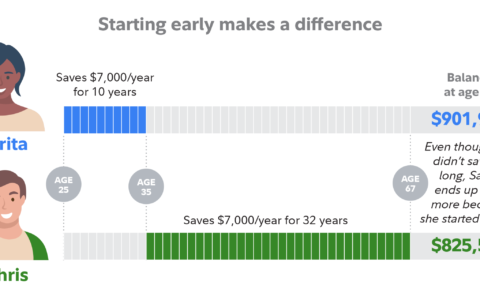
These tools allow families to start long-term compounding earlier than ever.
Final Thoughts
Tax planning in 2026 is no longer just about compliance—it’s about strategy. With expanded deductions, new retirement rules, and innovative account structures, the current environment rewards proactive investors and families.
Whether you’re optimizing capital gains, funding retirement accounts, or planning generational wealth transfers, the key takeaway is clear: early, informed action can significantly improve your financial outcome.
As always, consult a tax professional to tailor these strategies to your situation.
Author:Com21.com,This article is an original creation by Com21.com. If you wish to repost or share, please include an attribution to the source and provide a link to the original article.Post Link:https://www.com21.com/10-smart-tax-moves-for-2026-a-strategic-guide-to-lowering-your-tax-bill-and-building-long-term-wealth.html